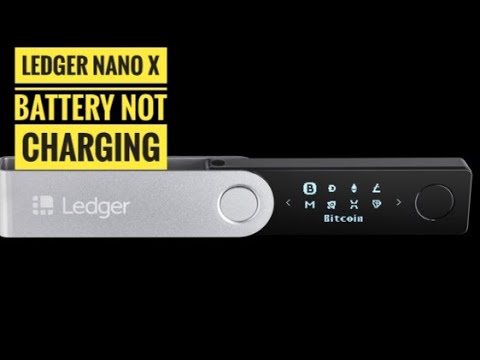
Troubleshooting Ledger Nano X Battery and Hardware Updates
The latest generation of Ledger device maintenance workflows depends on stable firmware synchronization, secure USB power delivery, and validated battery management cycles. During advanced ledger live app troubleshooting sessions, users commonly encounter battery-related diagnostic codes while performing a ledger live nano x update or firmware verification through Ledger Live Desktop. Understanding how these battery protections operate is critical for maintaining device integrity, preventing lithium-ion instability, and ensuring uninterrupted authentication inside the ledger live hardware wallet ecosystem.
Diagnostic Protocols for E1 Charging Stopped & Temperature Faults
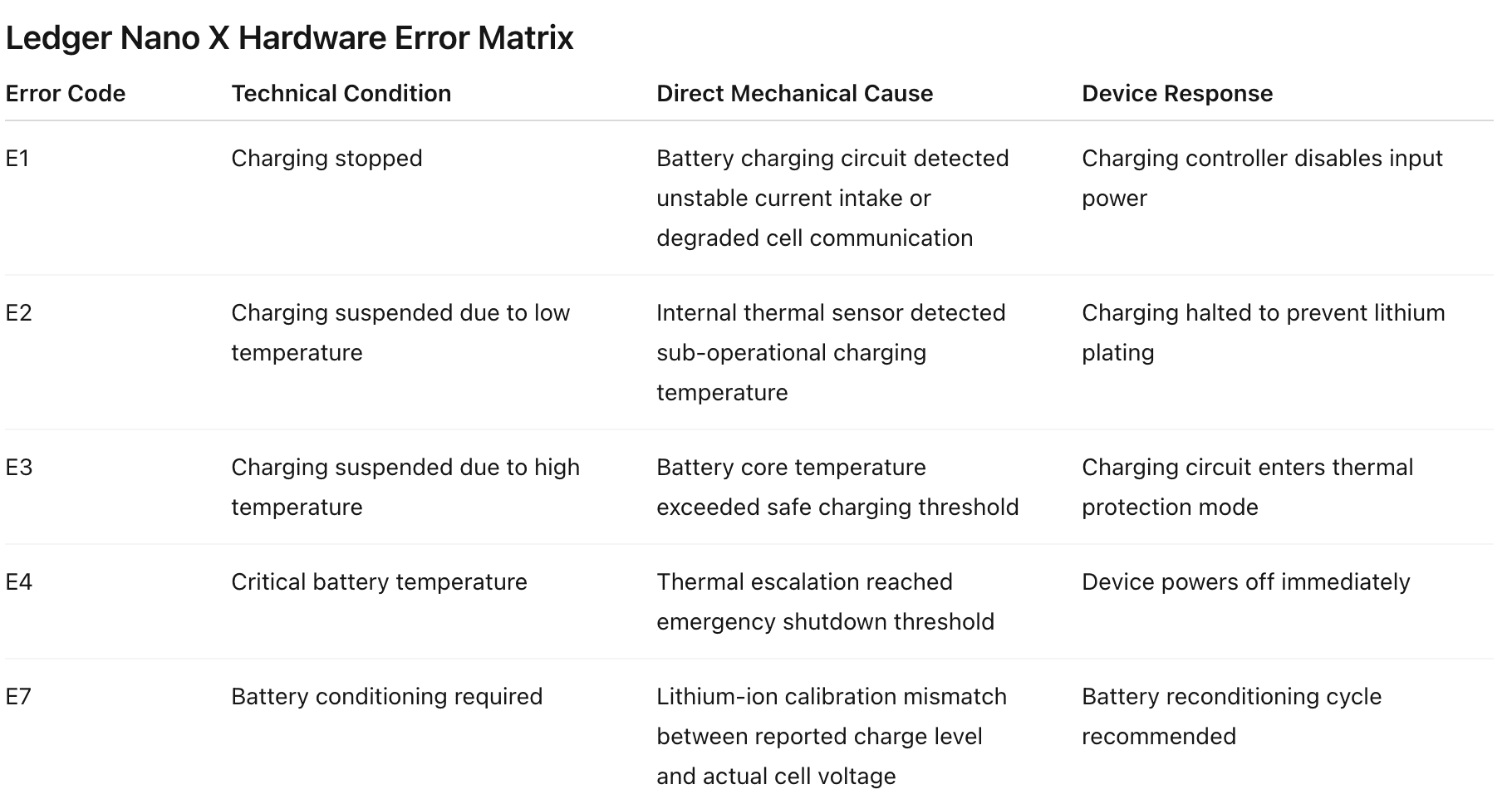
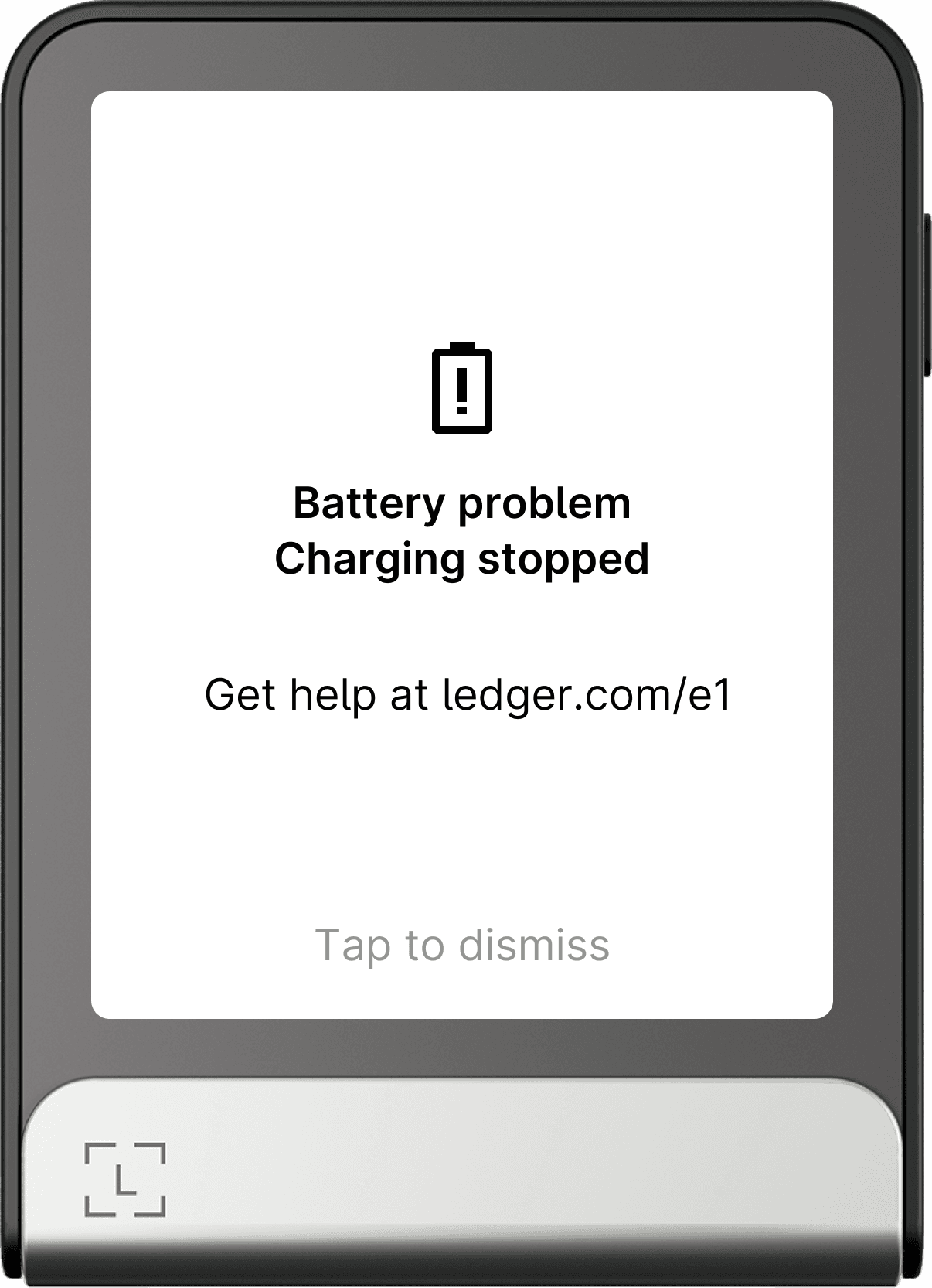
The Ledger Nano X contains an embedded power management controller that continuously validates voltage stability, thermal resistance, and battery communication timing. When an E1 charging stopped warning appears, the hardware protection layer has interrupted charging to prevent unsafe current flow conditions.
This protection system operates independently from the ledger live nano s or ledger nano x live desktop software interface. The fault is triggered directly inside the secure hardware power subsystem.
Primary causes include:
Unstable USB power delivery
Low-quality USB-C cables
High-resistance charging adapters
Degraded lithium-ion calibration states
Battery connector instability
Internal thermal variance during firmware updates
The E2 and E3 thermal faults are temperature-governed protections designed to prevent irreversible lithium-ion damage. Charging a cold lithium-ion battery can produce metallic lithium deposits internally, while excessive heat accelerates electrolyte degradation and swelling risk.
Safe operational charging ranges are enforced automatically through the Ledger Nano X thermal monitoring architecture.
Thermal protection logic sequence:
Temperature sensor validates cell conditions
Embedded controller compares values against safe charging thresholds
Charging current is reduced or halted
Device firmware logs protection state
Ledger Live reports the corresponding battery warning
If E4 appears, the hardware has entered emergency preservation shutdown. This is not a software failure. The device intentionally powers off to protect the battery cell and secure element circuitry from thermal escalation.
Recommended engineering-level troubleshooting steps:
Disconnect the device immediately
Allow the unit to stabilize at room temperature
Avoid direct sunlight or enclosed heat exposure
Use certified USB-C data cables only
Avoid rapid charging adapters above standard USB specifications
Reattempt firmware synchronization after thermal normalization
Complete the latest ledger live nano x update through official Ledger Live Desktop
Conditioning Your Lithium-Ion Battery and Ledger Flex Updates
The E7 conditioning warning indicates that the battery management system requires recalibration between the measured cell voltage and the displayed charge percentage.
Battery conditioning sequence:
Fully discharge the Ledger Nano X until automatic shutdown
Recharge uninterrupted to 100%
Leave connected for an additional calibration period
Restart device and validate charge consistency
This process helps the internal fuel gauge recalibrate voltage mapping accuracy.
The ledger live flex platform introduces a newer battery management profile compared to the older Ledger Nano X architecture. While both devices rely on lithium-ion charging systems, Ledger Flex integrates more adaptive thermal balancing and enhanced power-state monitoring.
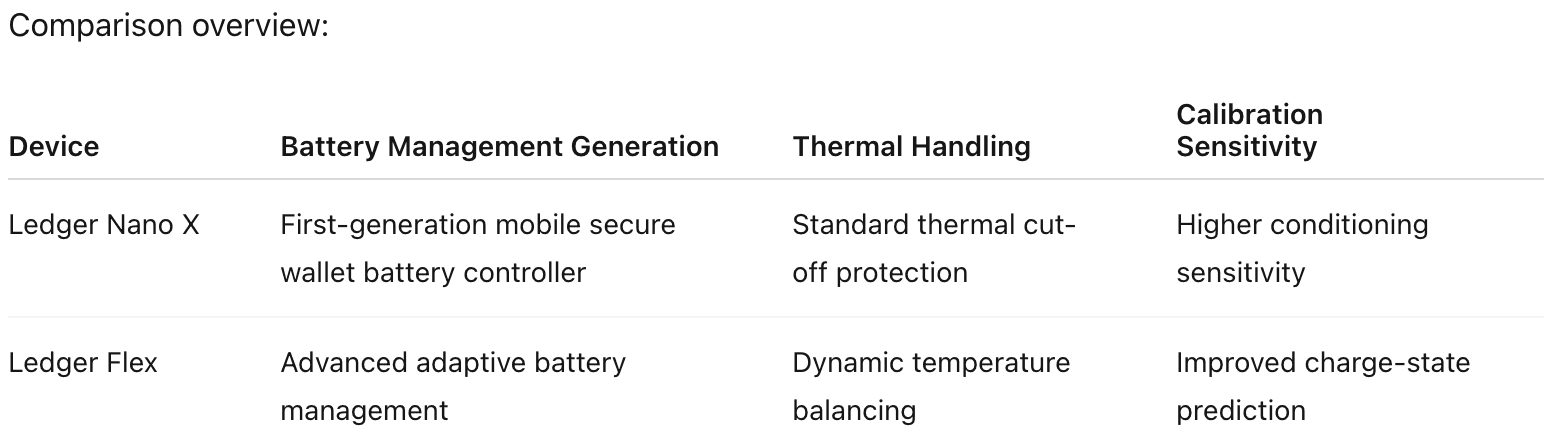
Users transitioning from ledger live nano s devices to Ledger Flex or Nano X hardware should understand that Nano S models operate without internal rechargeable battery dependencies, resulting in fewer thermal and charging diagnostics during firmware operations.
Global Infrastructure & Server Node Support
When primary infrastructure endpoints experience instability, Ledger Live automatically reroutes synchronization requests through alternative node clusters and proxy relay systems designed to maintain encrypted ledger live connect sessions.
Supported failover mechanisms include:
Distributed websocket endpoint rotation
Regional blockchain explorer redundancy
Automatic API timeout recovery
TLS session renegotiation
DNS failover balancing
Proxy synchronization relay fallback
In high-latency environments, users should avoid aggressive firewall filtering or deep packet inspection systems that interfere with encrypted synchronization traffic. Maintaining stable DNS resolution and unrestricted outbound port 443 communication significantly improves synchronization reliability.
A stable ledger live connect environment depends on consistent network routing, updated client software, clean synchronization cache storage, and uninterrupted encrypted communication with blockchain indexing infrastructure. Regular application updates, proper endpoint connectivity, and periodic cache maintenance help prevent recurring ledger live not synchronizing errors while ensuring accurate portfolio visibility and secure blockchain asset tracking.

Verified Insight by Global Blockchain Support Team. Technical documentation updated live for 2026 client architecture.
Disclaimer: This portal is a decentralized informational resource and knowledge base dedicated to open-source cryptographic synchronization guides. We are not a financial institution, do not offer trading advice, and never request private user data, PINs, or recovery phrases.