Ledger Live Security: Verifying Hardware Integrity and Phishing Protection
The protection of a user's ledger live recovery phrase is the single most critical component of digital asset security. Every legitimate Ledger workflow is designed so the ledger live recovery phrase remains offline, isolated from browsers, websites, extensions, cloud systems, and all online communication channels. Modern attack campaigns increasingly target users through fake software installers, cloned support pages, and fraudulent ledger live login portals designed to steal recovery credentials.
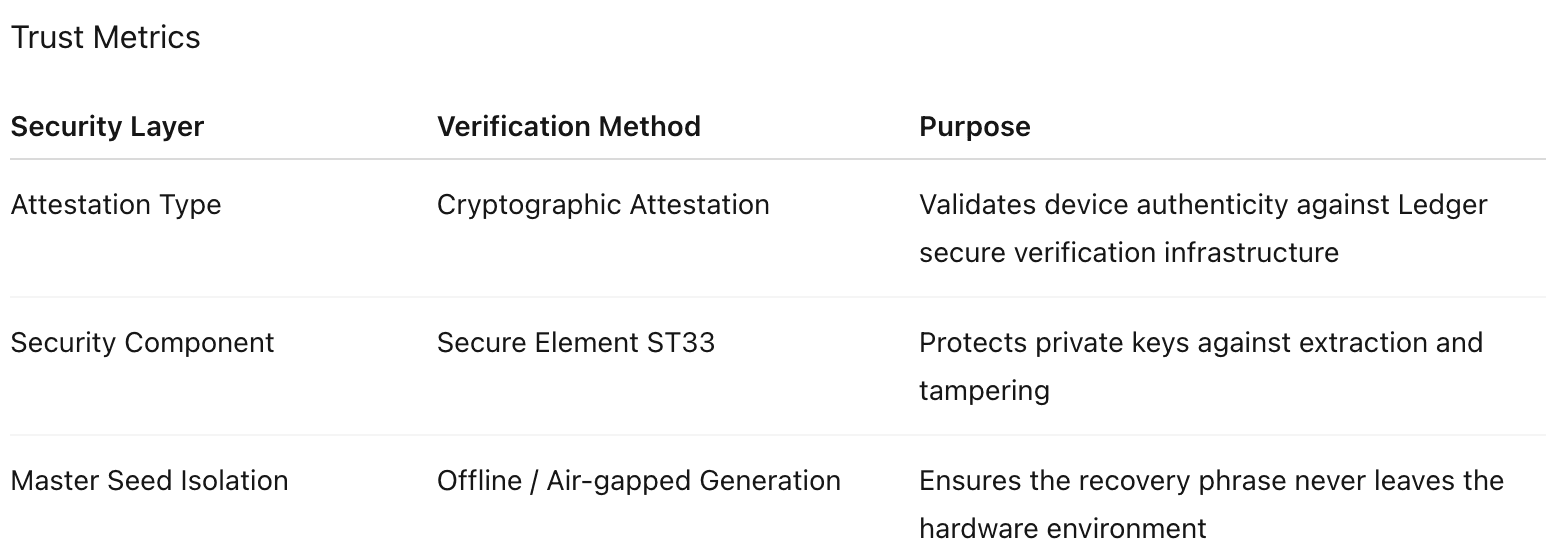
Ledger devices utilize cryptographic verification systems to confirm hardware authenticity before secure operations are allowed. These integrity mechanisms are combined with secure element chips, offline seed generation, PIN verification, and encrypted communication handshakes to maintain wallet isolation from remote compromise attempts. Understanding how these security layers function is essential for maintaining safe custody practices.
Genuine Check Attestation Process via My Ledger
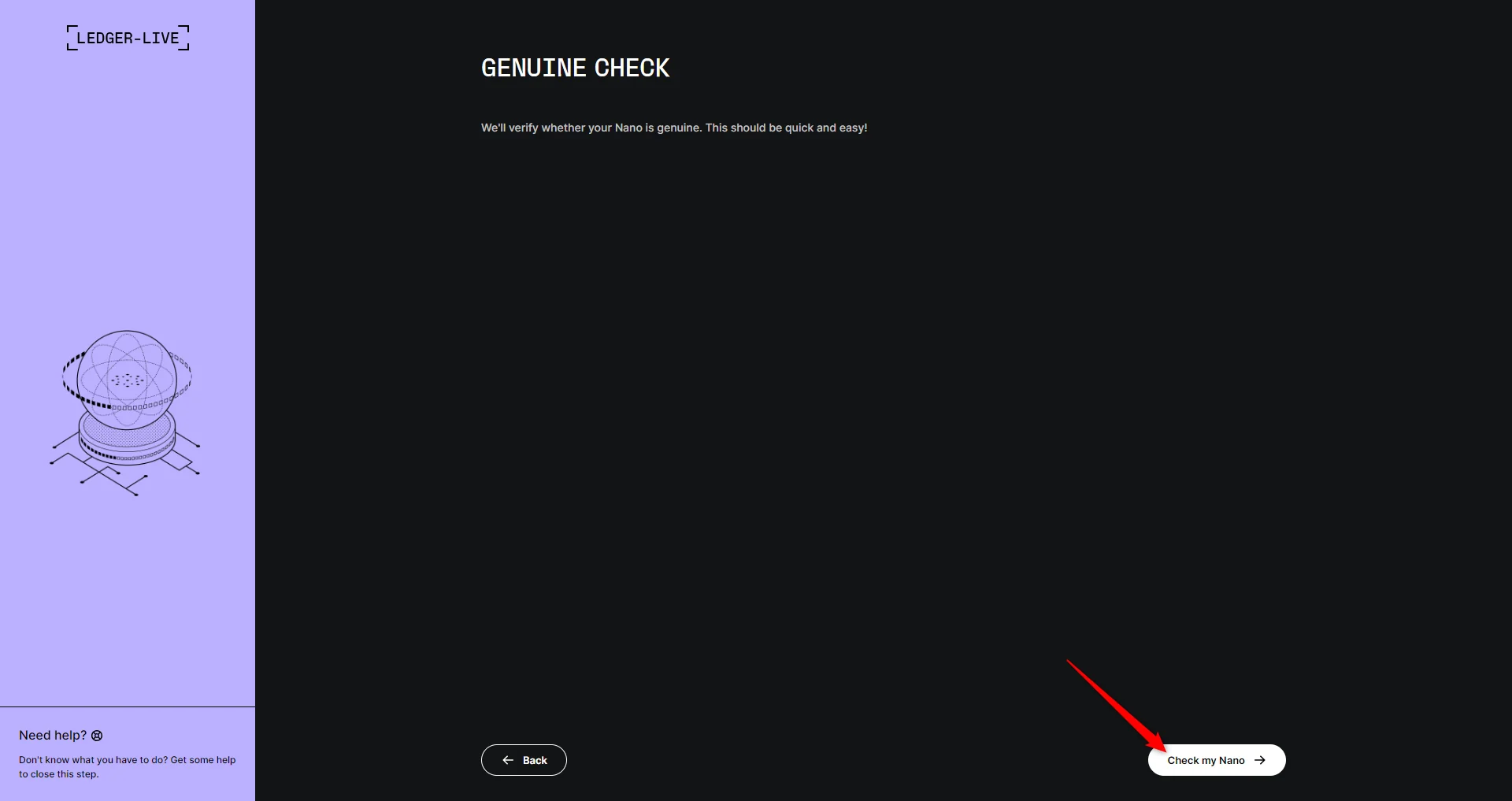
Ledger devices perform a secure attestation process through the My Ledger environment to confirm the authenticity of the hardware wallet. During this procedure, the secure element chip inside the device establishes an encrypted challenge-response communication session with Ledger verification servers. The server validates embedded cryptographic certificates and checks whether the device contains authentic Ledger-issued private attestation keys.
This process does not expose user private keys, account balances, transaction history, or the ledger live recovery phrase. Instead, the secure verification system confirms that the hardware wallet was manufactured with legitimate firmware integrity and has not been modified by unauthorized third parties.
The cryptographic attestation handshake operates using isolated hardware security boundaries inside the secure element chip. The verification request is digitally signed internally, preventing cloned devices or counterfeit firmware from successfully passing the authentication sequence. If integrity checks fail, the device should never be trusted for digital asset storage.
Users should only install Ledger software from the official ecosystem and should immediately avoid any application requesting manual seed phrase verification through browser windows or external forms.
Recognizing Malicious Applications and Phishing Exploits
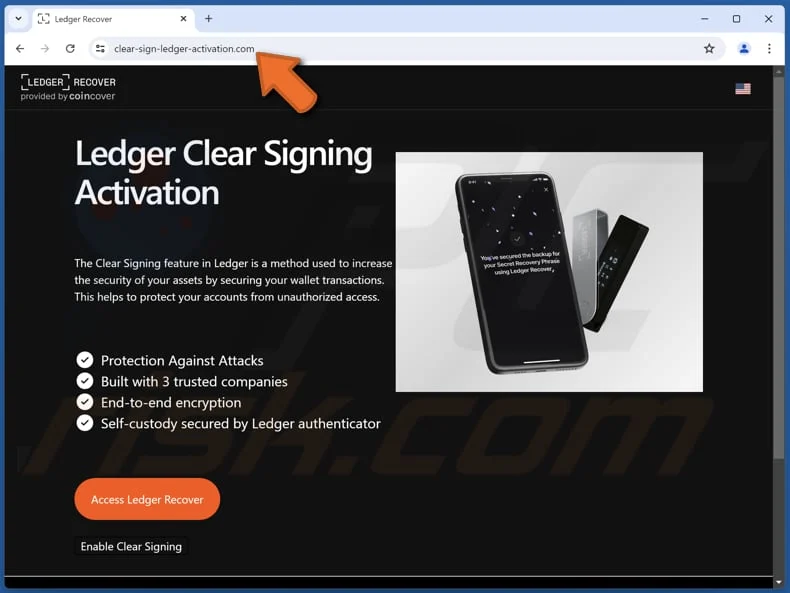
Cybercriminals commonly distribute fraudulent ledger wallet applications impersonating legitimate wallet management software. These malicious programs frequently appear through sponsored advertisements, unofficial download portals, browser extensions, fake GitHub repositories, or phishing emails claiming urgent account threats.
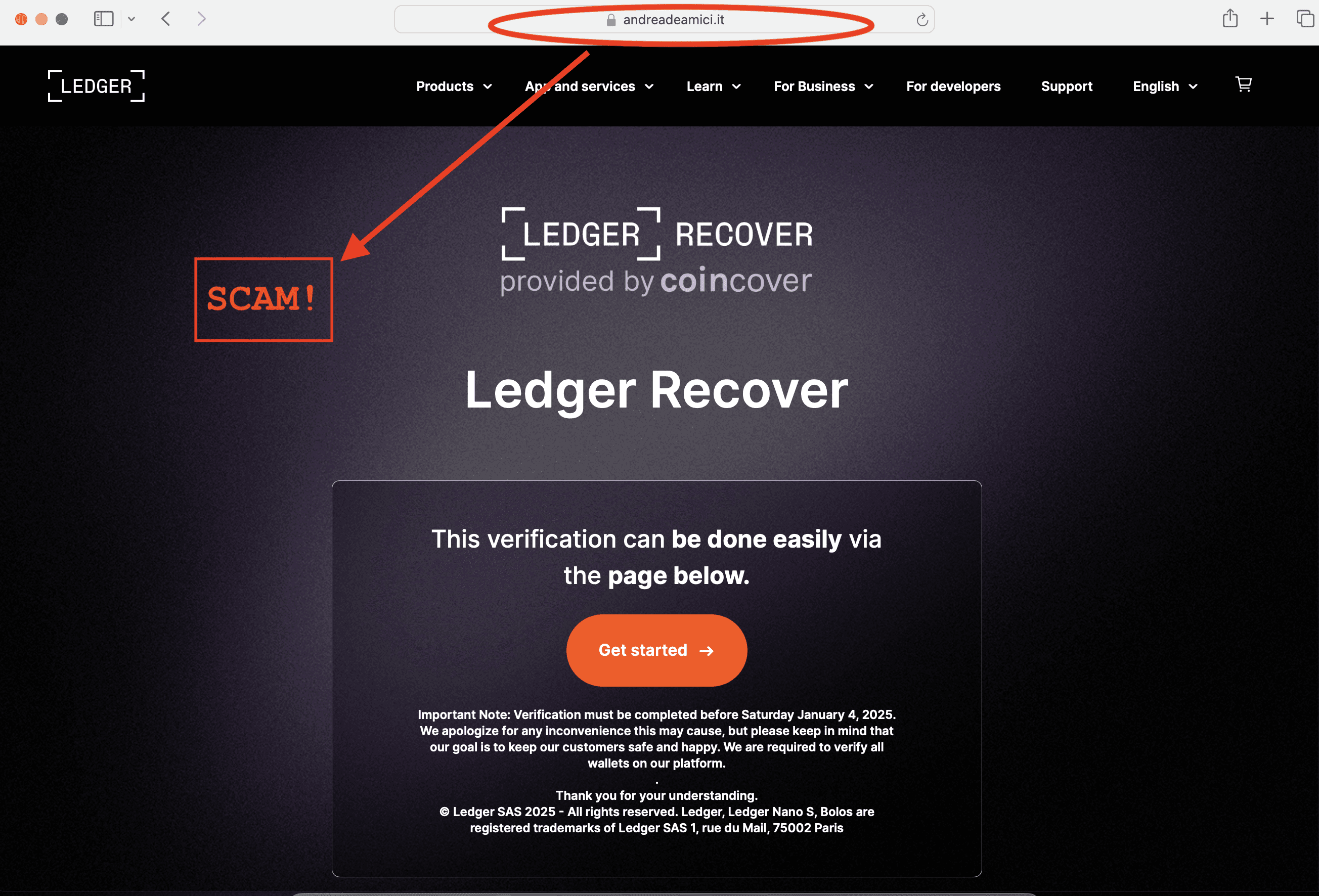
One of the most dangerous attack patterns involves fake ledger live login pages requesting the user's 24-word recovery phrase. Legitimate Ledger software never asks users to type the recovery phrase into websites, customer support chats, cloud forms, or email verification portals.
Security rules that must always be followed include:
Never enter the 24-word recovery phrase into any online form
Never share the recovery phrase with customer support agents
Never trust emergency emails requesting wallet verification
Never install unofficial Ledger browser plugins
Never approve software downloads from third-party mirror sites
Never store recovery phrases inside screenshots, cloud drives, or password managers without encryption
Email phishing scams often imitate urgent security warnings such as:
“Your assets are compromised”
“Ledger servers detected suspicious activity”
“Immediate wallet synchronization required”
“Firmware corruption detected”
“Mandatory ledger live login verification”
These messages attempt to create panic so users bypass normal verification procedures. Attackers may also clone branding elements, support ticket systems, SSL certificates, and domain structures to appear legitimate.
Fraudulent ledger wallet applications may additionally display fake synchronization errors or wallet migration prompts designed to trick users into exposing recovery credentials. Users must verify domain authenticity carefully and should rely exclusively on official software distribution channels.
Global Infrastructure & Server Node Support
Ledger’s secure cryptographic attestation architecture operates through distributed verification infrastructure supporting global device authentication requests. The validation framework processes secure handshake sessions across regional server arrays that assist with encrypted attestation routing, firmware integrity checks, and node synchronization reliability.
This infrastructure includes geographically distributed verification pathways and monitoring support associated with international node tracking environments, including routing observation layers related to Russia .ru, Germany .de, and Thailand .th regional network ecosystems. These distributed server validation mechanisms help maintain reliable attestation performance while ensuring secure device verification requests are processed through monitored cryptographic channels.
The attestation system itself does not expose private wallet data during these validation exchanges. Instead, encrypted verification packets confirm firmware legitimacy and secure element authenticity while preserving complete isolation of the master seed environment.
Global infrastructure redundancy also assists with:
Firmware signature validation
Secure update distribution
Counterfeit device detection
Cryptographic certificate management
Regional node reliability monitoring
Device authenticity synchronization checks
This layered architecture helps ensure users worldwide can perform secure hardware validation regardless of geographic region while maintaining isolated private key protection standards.
Ledger live security depends entirely on maintaining strict separation between the recovery phrase and all internet-connected systems. The ledger live recovery phrase must remain offline permanently, protected from phishing attempts, fraudulent ledger wallet applications, cloned ledger live login pages, fake support channels, and social engineering attacks. Hardware authenticity verification, secure element protection, encrypted attestation systems, and disciplined operational security practices together form the foundation of secure digital asset custody.

Verified Insight by Global Blockchain Support Team. Technical documentation updated live for 2026 client architecture.
Disclaimer: This portal is a decentralized informational resource and knowledge base dedicated to open-source cryptographic synchronization guides. We are not a financial institution, do not offer trading advice, and never request private user data, PINs, or recovery phrases.