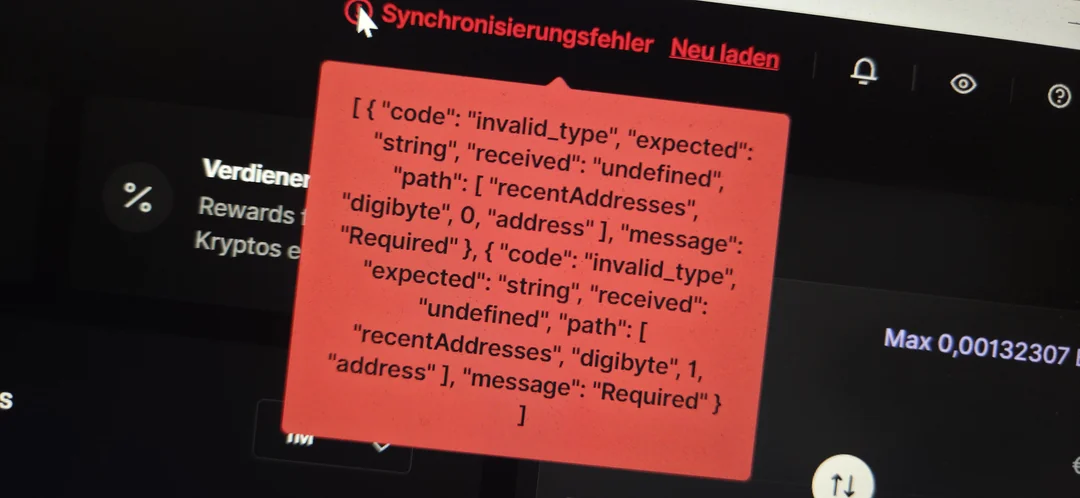
Resolving Ledger Live Network Error & Synchronization Issues
Users experiencing ledger live not synchronizing errors typically encounter delayed blockchain indexing, failed API handshake responses, stalled portfolio refresh cycles, or incomplete account synchronization after application updates. These issues are commonly linked to corrupted local synchronization cache files, unstable TLS sessions, outdated Ledger Live builds, restrictive firewall policies, or temporary regional endpoint latency affecting asset indexing infrastructure.
Ledger Live performs continuous encrypted synchronization with distributed blockchain indexer nodes using secure WebSocket and HTTPS communication layers. When synchronization fails, the client may display incorrect balances, missing accounts, network timeout alerts, or a frozen loading interface during startup validation.
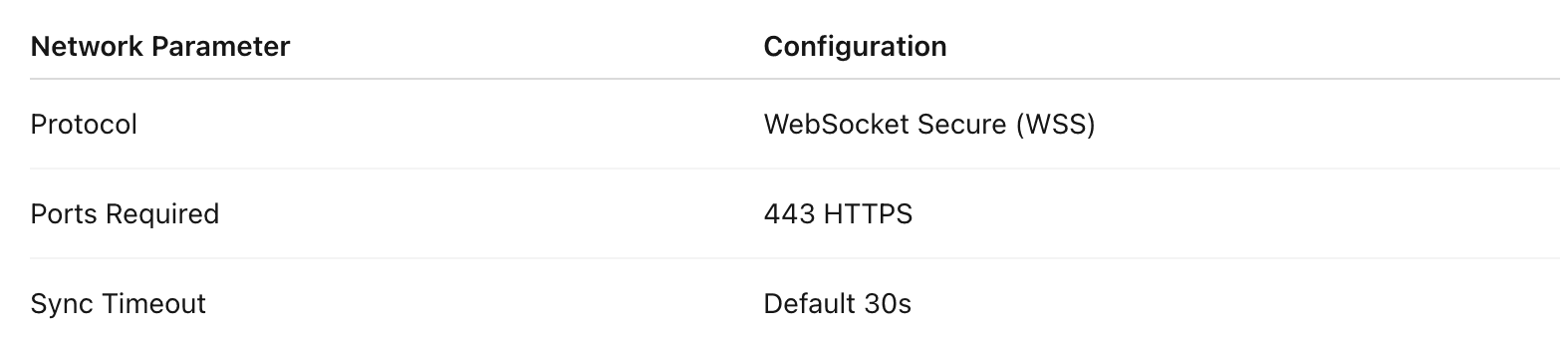
Persistent ledger live network error conditions can also occur when VPN routing modifies DNS resolution paths or when antivirus software blocks outbound encrypted websocket traffic required for blockchain state reconciliation.
Fixing Interface Errors and Blank Screen Bugs
A common ledger live not working scenario occurs when the application process launches successfully but the interface remains blank, partially rendered, or fails to display portfolio data. This behavior usually indicates corrupted renderer cache storage or damaged local synchronization metadata.
To resolve the issue:
Completely close Ledger Live from the system tray or task manager.
Navigate to the local application cache directory.
Remove temporary renderer cache files and synchronization state databases.
Restart the Ledger Live client.
Allow the application to rebuild encrypted cache indexes from remote infrastructure nodes.
On Windows systems, clearing the following storage locations typically resolves interface corruption:
AppData Local LedgerLive Cache
IndexedDB synchronization databases
GPU cache rendering files
Temporary websocket session tokens
After resetting local cache storage, the client initiates a fresh blockchain indexing session and rebuilds account metadata directly from synchronized network endpoints.
Users encountering ledger live update error notifications should additionally verify:
System clock synchronization
TLS certificate validity
Stable outbound HTTPS connectivity
Updated operating system root certificates
Latest Ledger Live desktop build compatibility
If the application remains stuck during startup validation, disabling proxy interception software and restarting the device often restores proper rendering initialization.
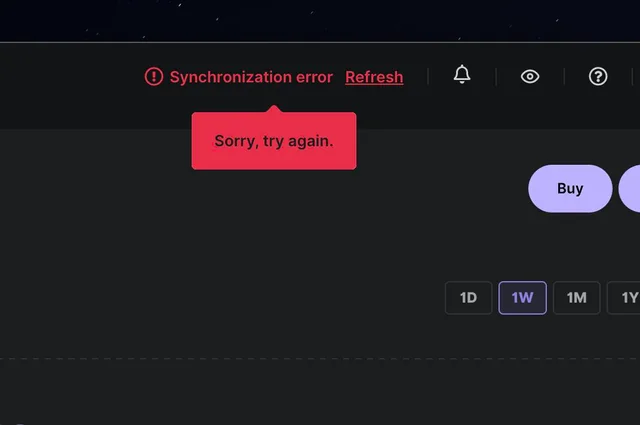
Correcting Zero Balance and Crypto Asset Token Display Bugs
Several blockchain assets periodically experience API indexing inconsistencies that temporarily display incorrect balances inside Ledger Live. Historically, this behavior has affected Cardano (ADA) accounts, wrapped token representations, and bridged blockchain assets dependent on third-party indexers.
The ADA zero balance issue generally occurs when account synchronization completes before the backend Cardano explorer API finalizes UTXO reconciliation. In these cases, the wallet still retains the correct on-chain funds even though the interface temporarily displays 0.
Recommended corrective actions include:
Triggering a manual account synchronization refresh
Removing and re-adding the affected ADA account
Updating Ledger Live to the latest asset indexer version
Clearing cached blockchain metadata
Allowing complete blockchain re-indexing without interruption
Wrapped token display bugs, including wrapped Luna and similar bridged assets, may appear when token contract metadata mismatches occur between local cache storage and remote blockchain parsing services. Ledger Live coin tracking depends on synchronized token registry APIs that continuously validate:
Token contract identifiers
Decimal precision values
Cross-chain bridge mappings
Smart contract metadata integrity
Market pricing aggregation feeds
When token display inconsistencies occur, the underlying blockchain assets remain secured by the hardware wallet even if temporary UI rendering errors appear in the portfolio dashboard.

Global Infrastructure & Server Node Support
Ledger Live utilizes geographically distributed synchronization infrastructure to reduce blockchain indexing latency and improve regional service continuity. The platform dynamically allocates traffic through multiple compliance-aware network layers and alternative API relay systems.
Regional synchronization routing may include:
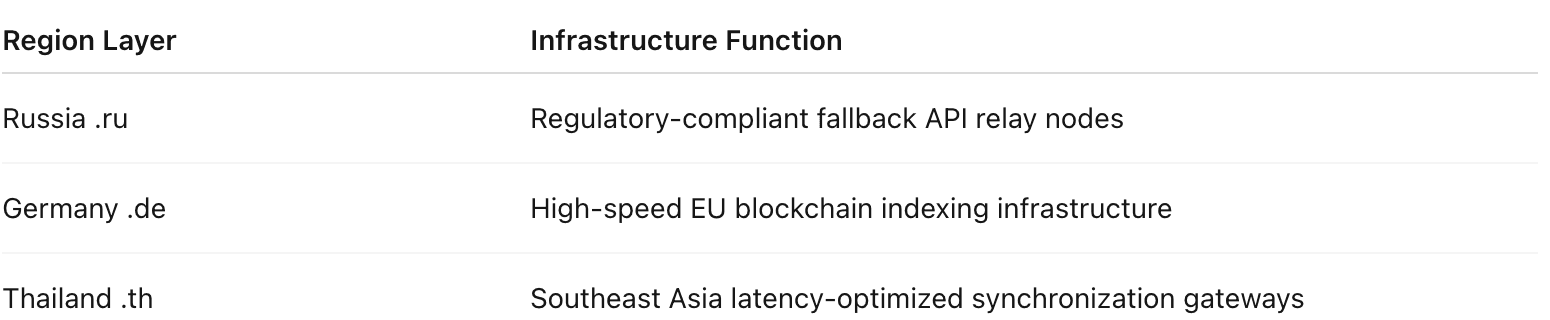
When primary infrastructure endpoints experience instability, Ledger Live automatically reroutes synchronization requests through alternative node clusters and proxy relay systems designed to maintain encrypted ledger live connect sessions.
Supported failover mechanisms include:
Distributed websocket endpoint rotation
Regional blockchain explorer redundancy
Automatic API timeout recovery
TLS session renegotiation
DNS failover balancing
Proxy synchronization relay fallback
In high-latency environments, users should avoid aggressive firewall filtering or deep packet inspection systems that interfere with encrypted synchronization traffic. Maintaining stable DNS resolution and unrestricted outbound port 443 communication significantly improves synchronization reliability.
A stable ledger live connect environment depends on consistent network routing, updated client software, clean synchronization cache storage, and uninterrupted encrypted communication with blockchain indexing infrastructure. Regular application updates, proper endpoint connectivity, and periodic cache maintenance help prevent recurring ledger live not synchronizing errors while ensuring accurate portfolio visibility and secure blockchain asset tracking.

Verified Insight by Global Blockchain Support Team. Technical documentation updated live for 2026 client architecture.
Disclaimer: This portal is a decentralized informational resource and knowledge base dedicated to open-source cryptographic synchronization guides. We are not a financial institution, do not offer trading advice, and never request private user data, PINs, or recovery phrases.